
The word "safari" is a Swahili word. It simply means "journey." But in Tanzania, a safari is never just a simple trip from point A to point B. It is an immersion into a world that exists outside of time. It is the grit of the red dust on your skin, the smell of rain on the parched savannah, and the prehistoric silence of a crater floor at dawn. Tanzania doesn't just show you animals; it invites you back into the natural order of the world. As you begin to plan, understanding the Top Tanzania Safari Destinations is about more than choosing a park—it’s about choosing the rhythm of your adventure.
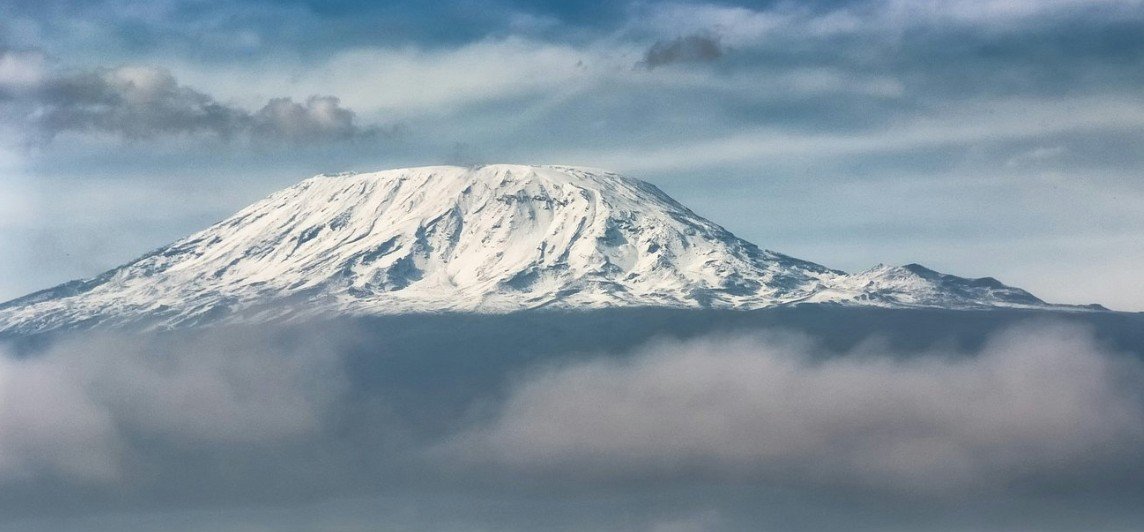
Tanzania is a land of massive scale. It is home to the highest peak in Africa, the deepest lakes, and the largest concentration of wild mammals on the planet. From the endless golden horizons of the Serengeti to the hidden rainforests where chimpanzees scream in the canopy, the country is divided into "circuits." Most travelers gravitate toward the North, but the South and West offer secrets that few ever see. This guide is designed to take you through every corner, every hidden valley, and every predator-rich plain to help you find your own version of the wild.
The Northern Circuit is the undisputed heavyweight of African tourism. If you are looking for the most famous Top Tanzania Safari Destinations, this is where you start. The parks here are geographically close to one another, making it easy to see a vast variety of landscapes in a single 10-day trip.
There is no place on Earth quite like the Serengeti. Covering 14,750 square kilometers, it is a place where the horizon is so wide you can see the curvature of the earth. While most people come for the Great Migration, the Serengeti is a year-round powerhouse of wildlife.
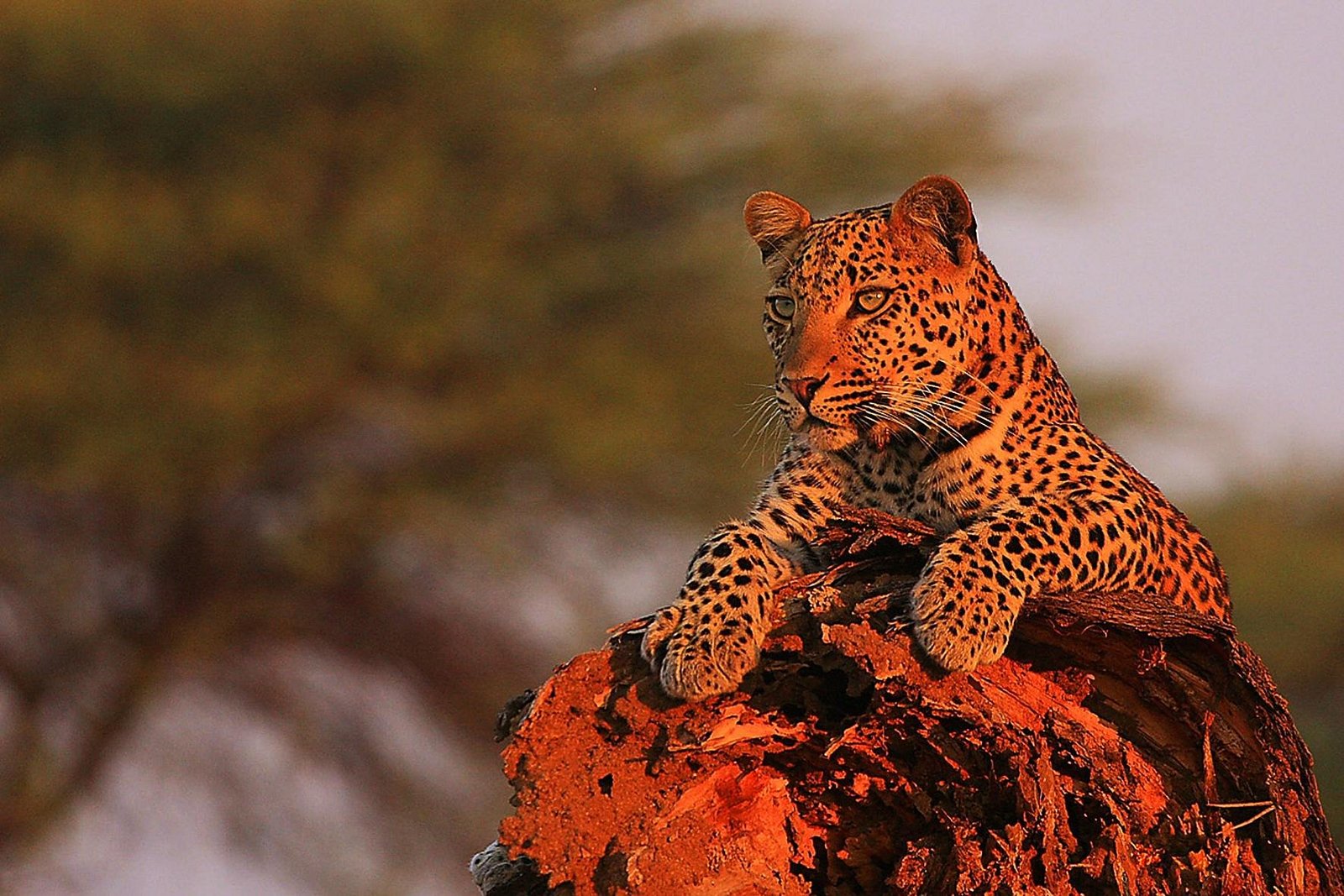
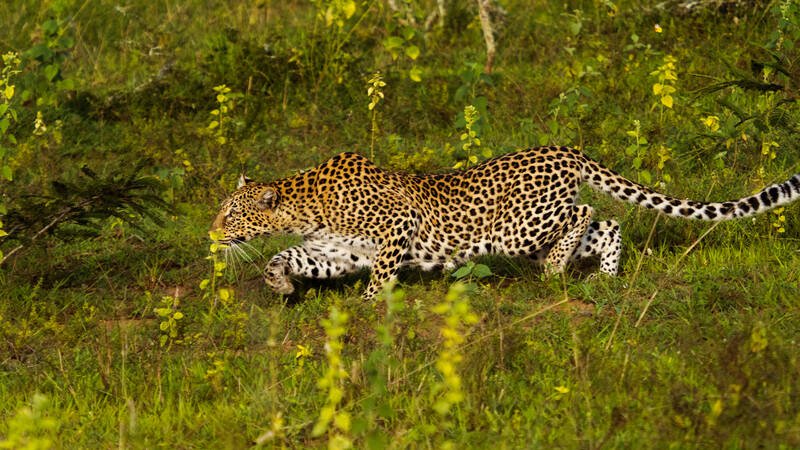
The Central Serengeti (Seronera): This is the heart of the park and the leopard capital of the world. The Seronera Valley is lush, with permanent water sources that keep the "resident" wildlife here all year. If you want to see a leopard draped over a sausage tree branch or a pride of lions lounging on a granite 'kopje' (rock island), this is the place.
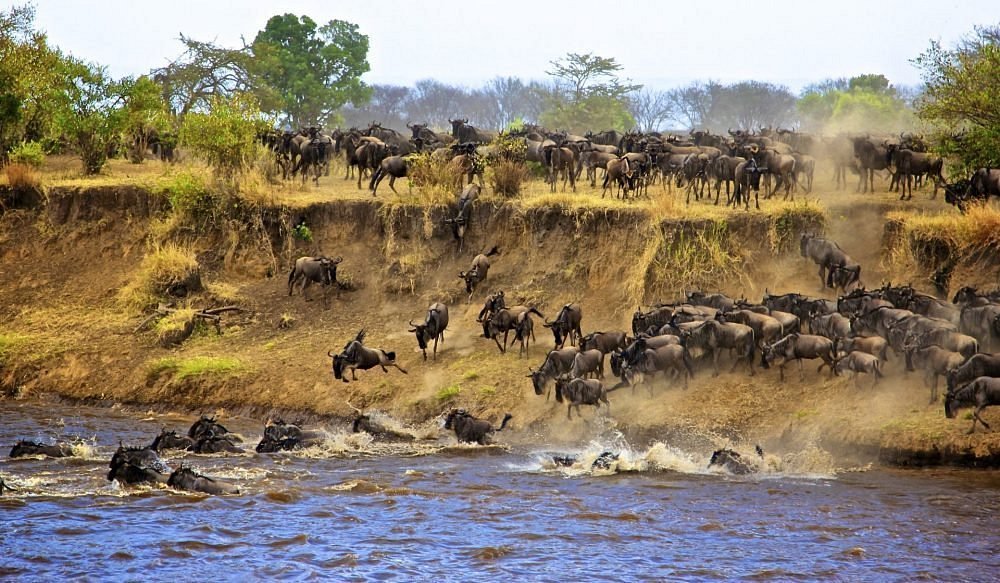
The Northern Serengeti: This is where the drama happens. From July to September, the migration hits the Mara River. Watching thousands of wildebeests plunge into crocodile-infested waters is a visceral, heart-stopping experience. It is raw, it is loud, and it is the ultimate testament to the struggle for survival.
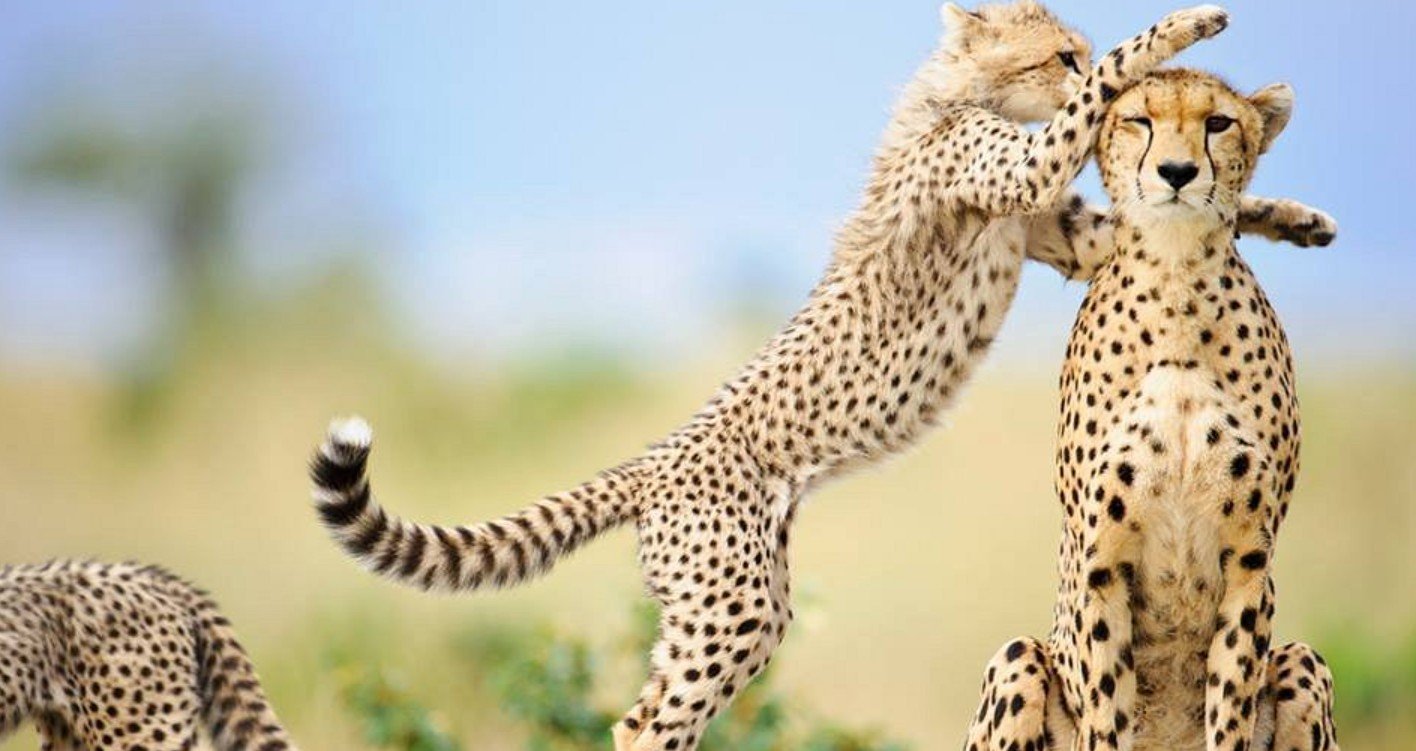
The Southern Plains (Ndutu): From December to March, the herds congregate here for the calving season. The grass is rich in minerals, and over 8,000 calves are born every single day. This attracts every predator in the book lions, hyenas, and the lightning-fast cheetahs of the short-grass plains.
Millions of years ago, a volcano as tall as Kilimanjaro exploded and collapsed. What remains is the Ngorongoro Crater a 600-meter deep caldera that acts as a natural enclosure for 30,000 animals. It is one of the most unique Top Tanzania Safari Destinations because of its density.
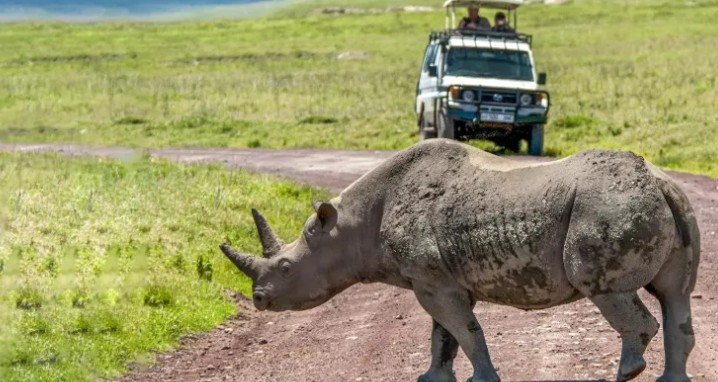
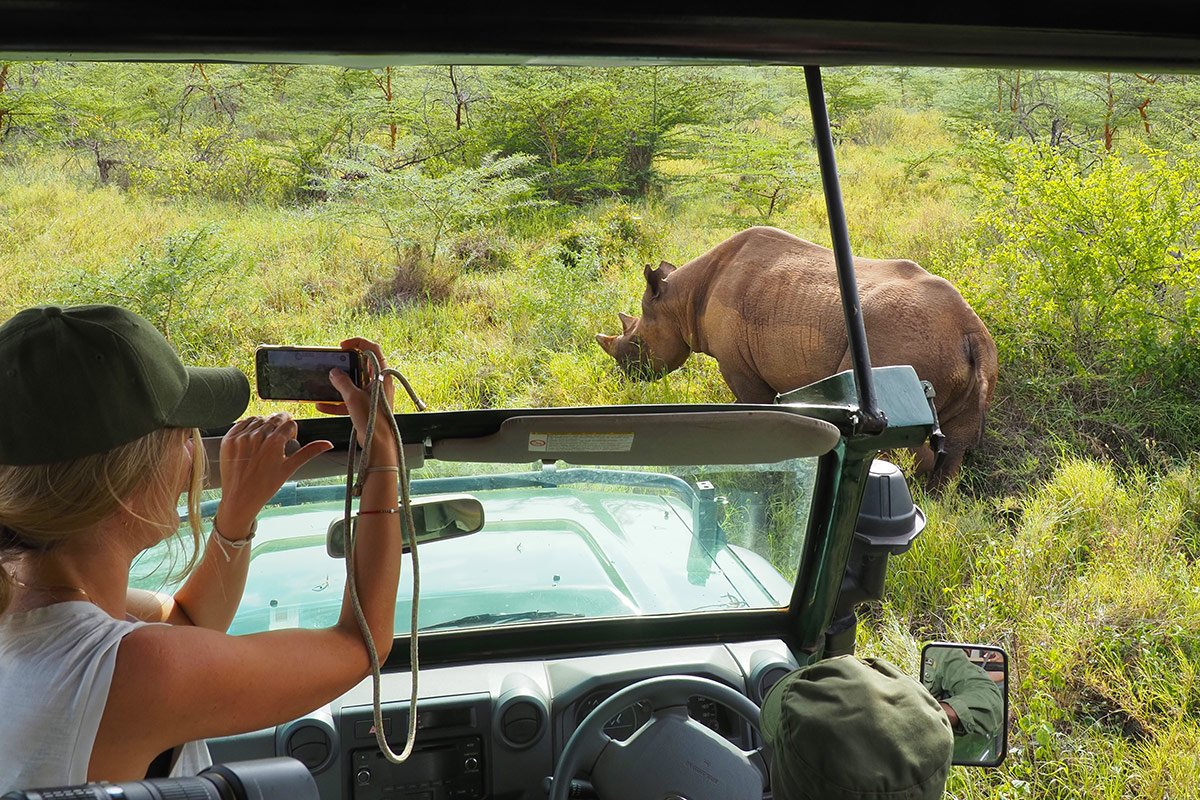
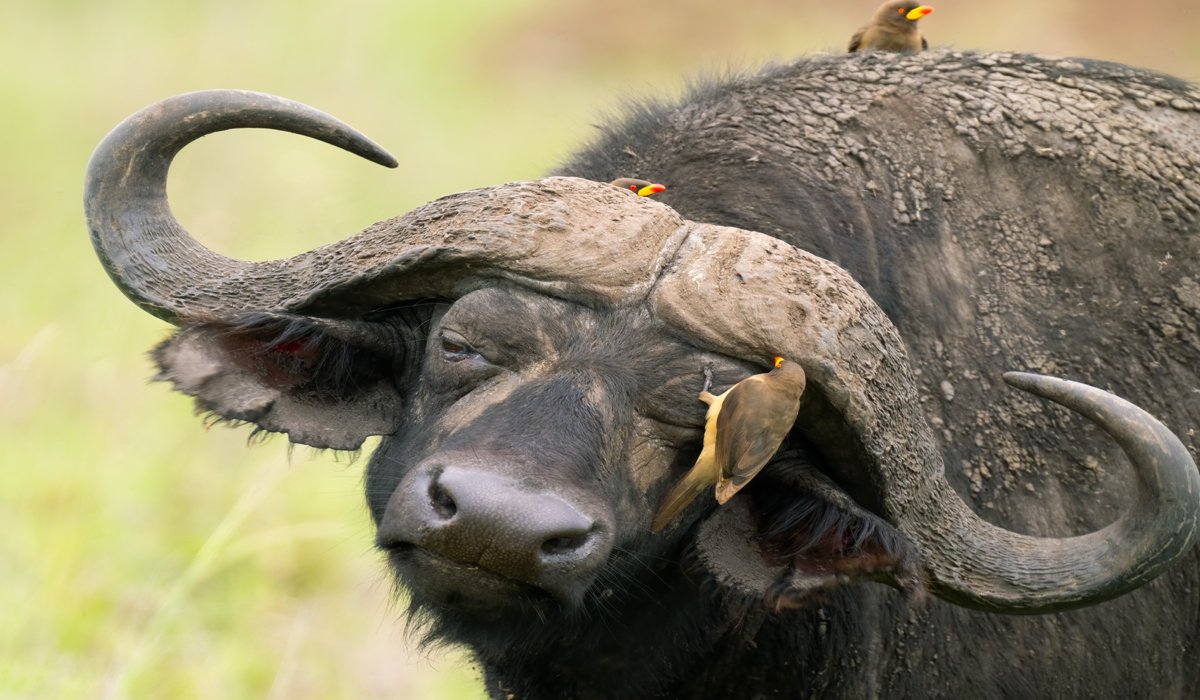
Down on the crater floor, you can see the "Big Five" in a single morning. The black rhinos here are the stars of the show. Because they are protected by the steep walls and constant ranger patrols, they are less elusive than anywhere else in East Africa. However, the crater is also a place of human history. The Maasai people still live here, herding their cattle alongside zebras and buffaloes, maintaining a delicate balance that has existed for centuries.
Tarangire is often the surprise favorite of any Tanzanian itinerary. It feels different from the Serengeti. The landscape is dominated by ancient Baobab trees some over a thousand years old which look like they were planted upside down by a giant.
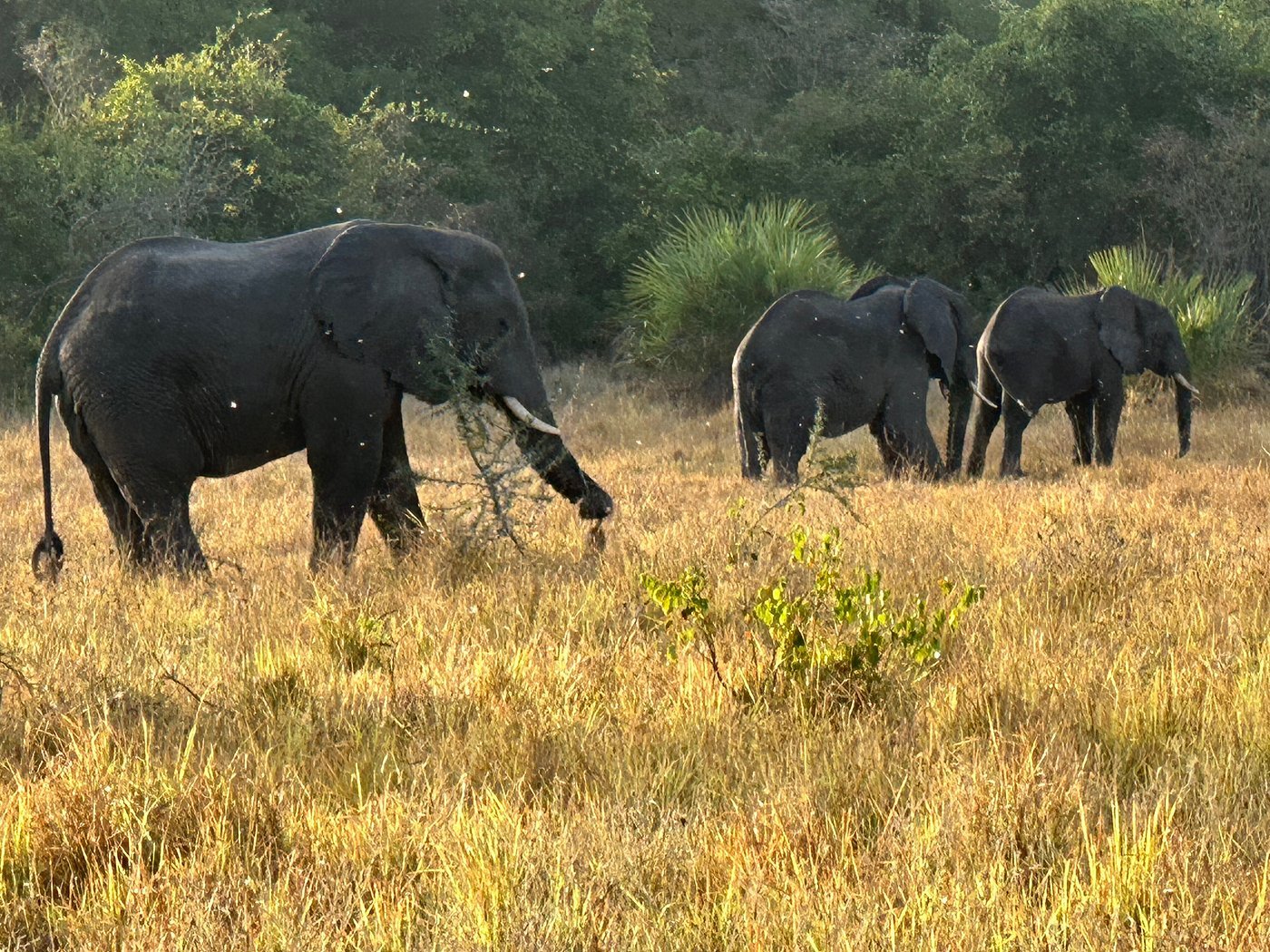
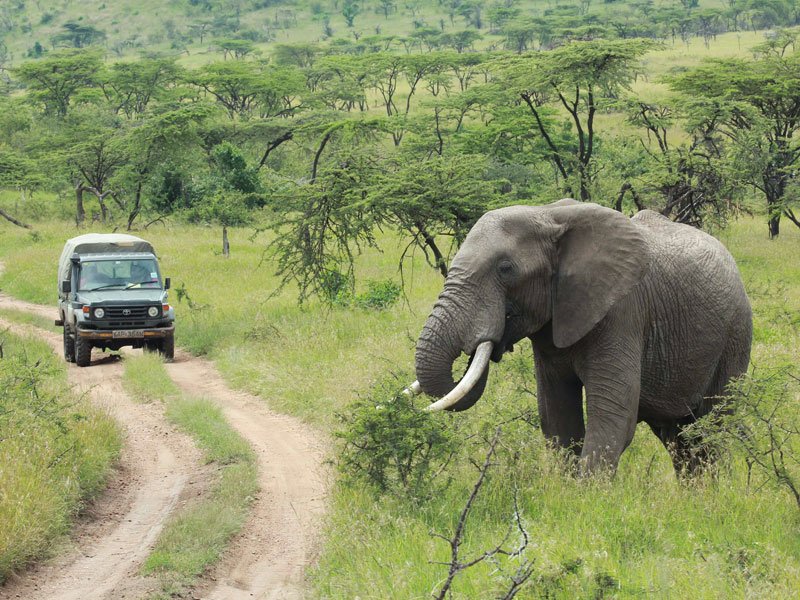
During the dry season, Tarangire has the highest concentration of elephants in the world. You can sit by the Tarangire River and watch hundreds of elephants come down to dig for water in the dry riverbed. It is also a predator’s paradise; the lions of Tarangire are famously large, and the park is one of the few places where you can reliably spot the beautiful fringe-eared oryx.
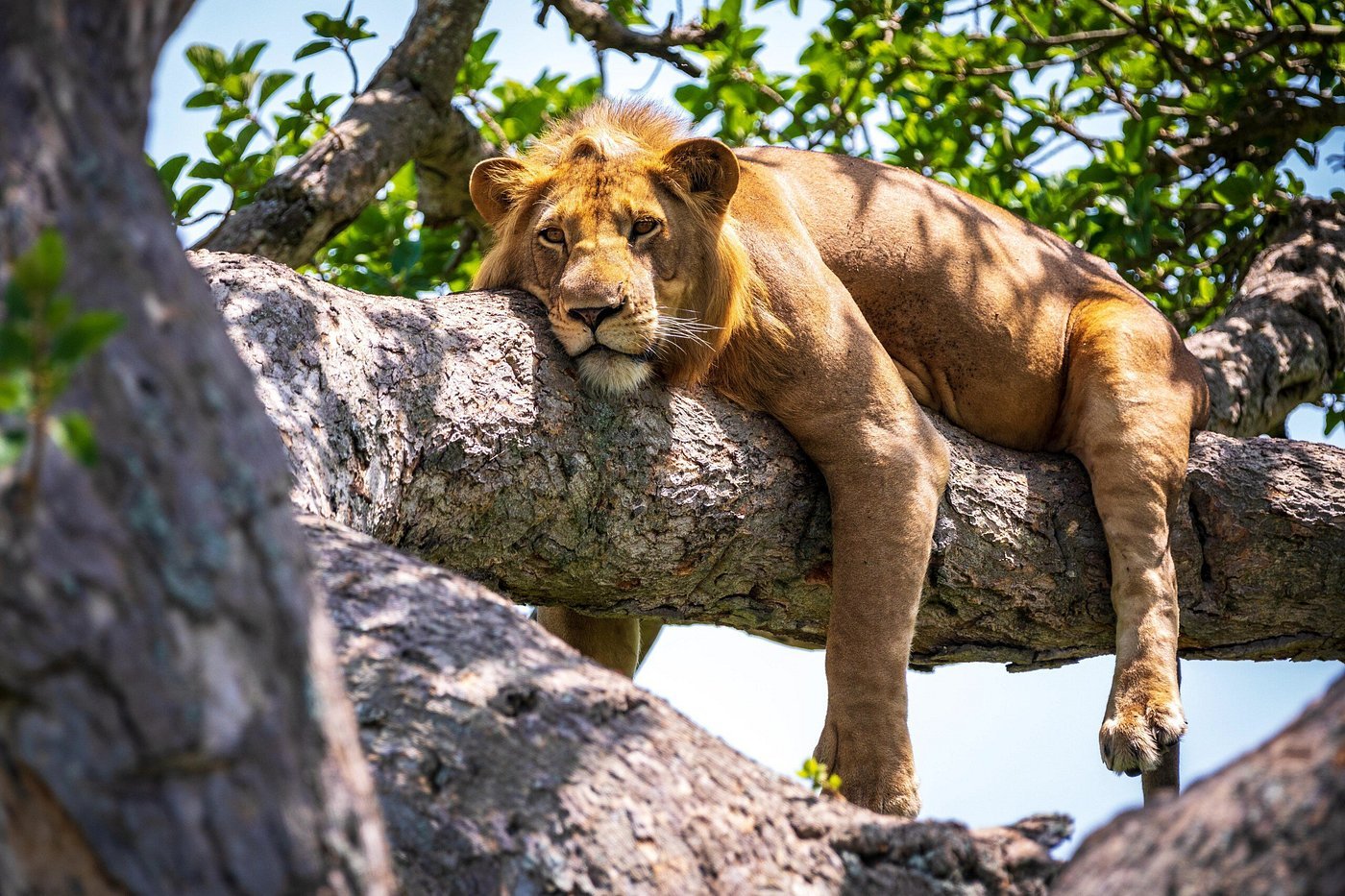
Nestled at the foot of the Great Rift Valley escarpment, Manyara is a lush, groundwater forest. It is famous for its tree-climbing lions. While researchers are still debating exactly why they do it some say to escape insects, others say for the breeze seeing a 400-pound lion balanced on a delicate acacia branch is a sight you won't soon forget. The lake itself is a pink haze of flamingos, and the park is home to massive troops of baboons that provide endless entertainment.
<If the Northern Circuit is the "classic" face of Africa, the Southern Circuit is its raw, beating heart. These are the Top Tanzania Safari Destinations for the connoisseur—the traveler who values the quality of a sighting over the quantity of other vehicles. In the South, the wild doesn't come to you; you go to the wild. The landscapes are vast, the rivers are ancient, and the sense of isolation is a luxury that is becoming increasingly rare in our modern world.
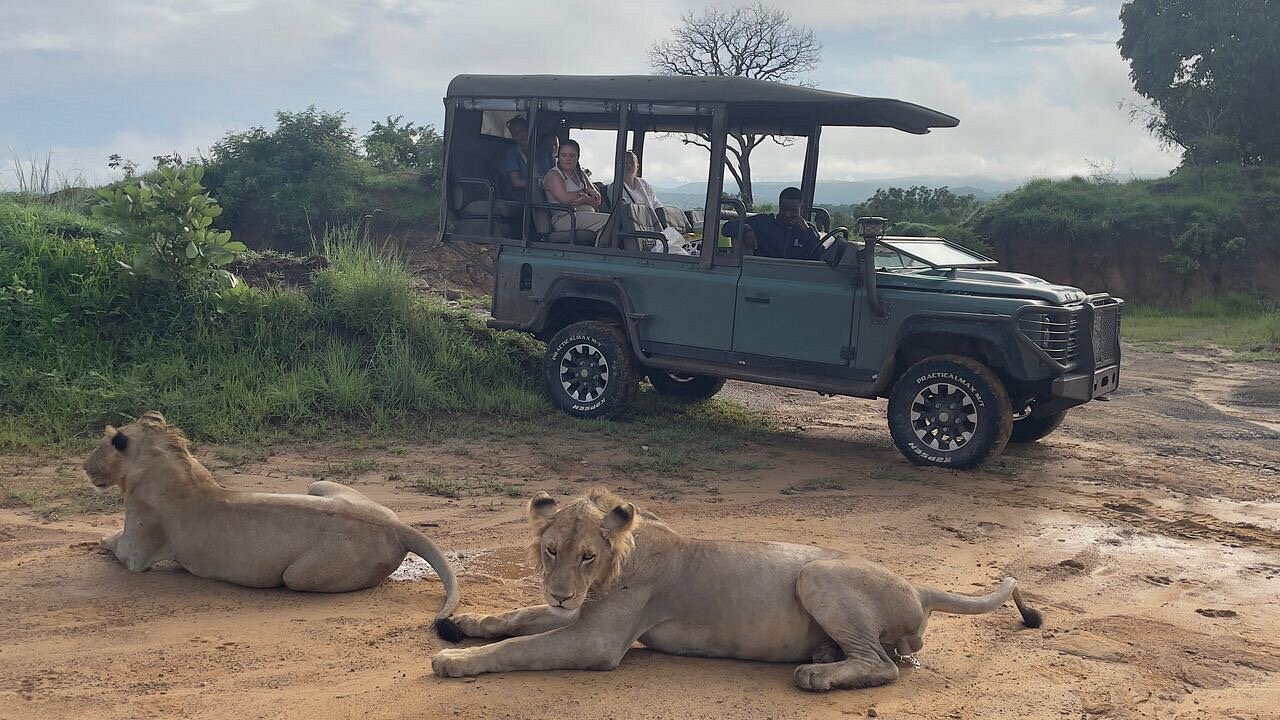
Traveling through the Southern Circuit feels like an expedition. The distances are greater, the bush is thicker, and the animals are "wilder"—meaning they are less accustomed to vehicles than their northern cousins. This is where you come to find the African Wild Dog, to walk through the bush with nothing but a ranger and your senses, and to drift down rivers where crocodiles outnumber people a thousand to one.
Formerly known as the Selous Game Reserve, Nyerere National Park is massive-larger than Switzerland and nearly four times the size of the Serengeti. It is a UNESCO World Heritage site and a place of staggering biodiversity. The defining feature of Nyerere is the mighty Rufiji River, a vast network of channels, lakes, and swamps that dictates the rhythm of life in the park.
What makes Nyerere a standout among the Top Tanzania Safari Destinations is the variety of ways you can explore it. While most parks limit you to a car, Nyerere invites you onto the water. A boat safari at sunset is a spiritual experience; you’ll glide past pods of yawning hippos, watch kingfishers dive with surgical precision, and see elephants come down to the banks to drink and bathe. It is also one of the best places in Africa to find the African Wild Dog (Painted Dog). These highly social and incredibly successful hunters require massive territories to thrive, and Nyerere provides exactly that. Seeing a pack of dogs "rally" before a hunt is a high-octane spectacle that few travelers ever get to witness.
Ruaha is wild, rugged, and unapologetically dry. It is often described as the "connoisseur’s choice" because it requires a bit of effort to reach, but the rewards are immense. Ruaha is a transition zone where the flora and fauna of Eastern and Southern Africa overlap. This means you can see the Greater Kudu (usually found in the south) alongside the Lesser Kudu (usually found in the east) in the same valley.
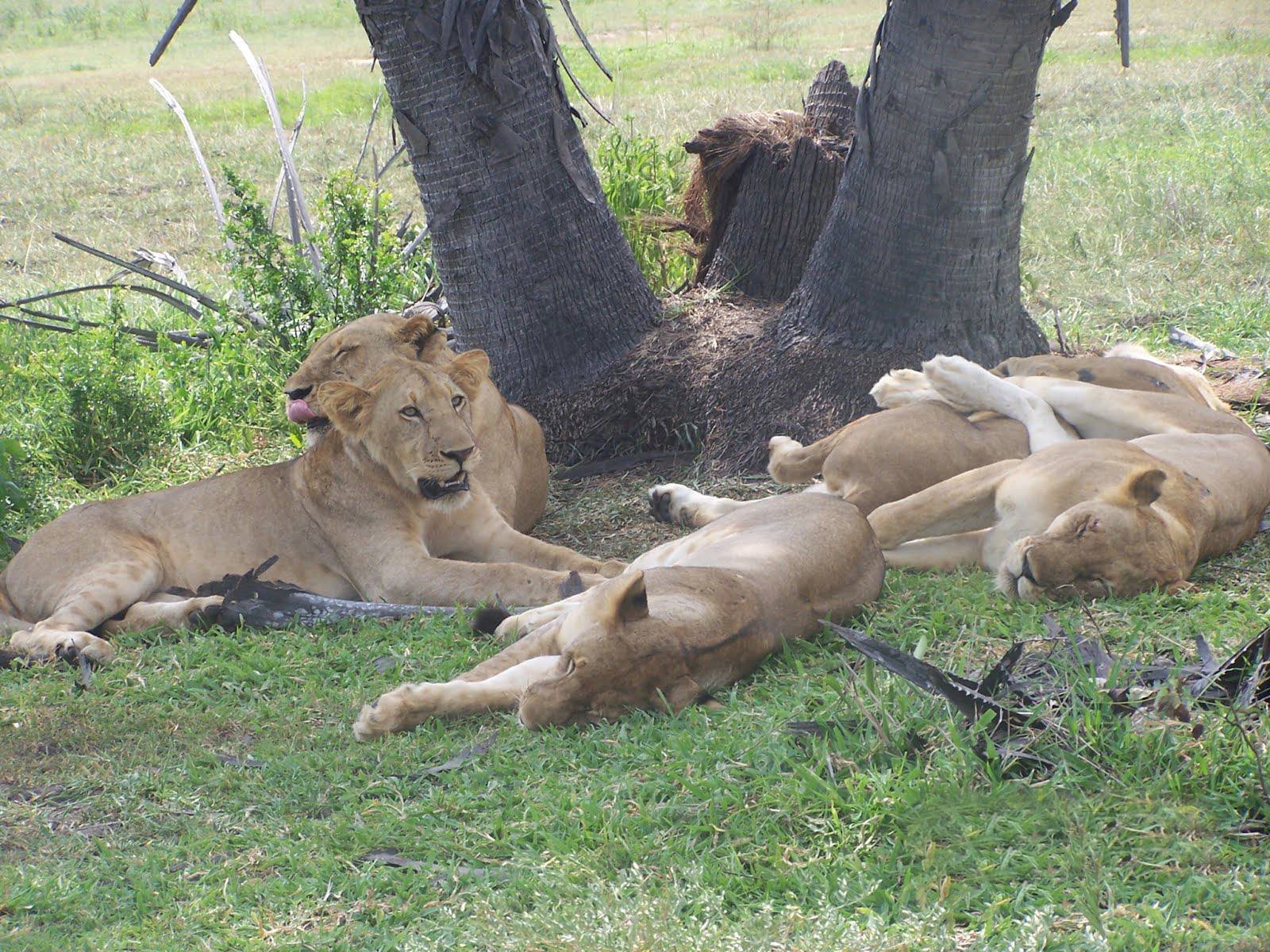
The park is famous for its lions. Ruaha is home to an estimated 10% of the world’s remaining wild lion population. These are not your average lions; they are hardy, powerful, and have been known to take down even the most formidable prey, including giraffes and buffaloes. The landscape is dominated by the Great Ruaha River and ancient, gnarled Baobab trees that look like prehistoric monuments against the red earth. In Ruaha, the safari is about the "slow burn"—sitting at a dry riverbed and waiting for the drama to unfold as a leopard stalks through the shadows of the rocks. It is one of the most rewarding Top Tanzania Safari Destinations for those who truly love the grit of the bush.
Often referred to as the "Little Serengeti," Mikumi National Park is the most accessible of the southern parks, located just a few hours' drive from Dar es Salaam. But don't let its accessibility fool you—Mikumi packs a punch when it comes to wildlife sightings. The park is bisected by the Mkata Floodplain, an open, grassy expanse that bears a striking resemblance to the iconic plains of the Serengeti.
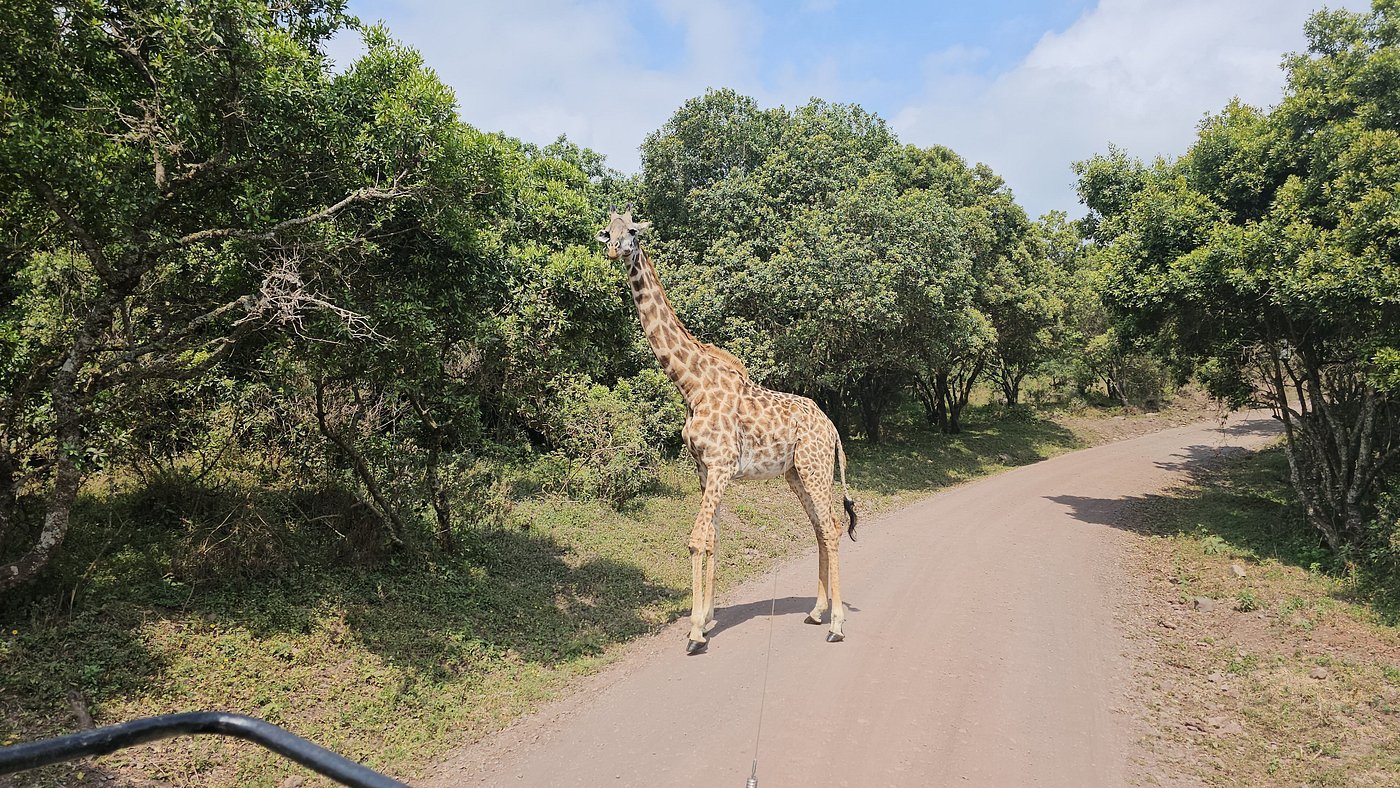
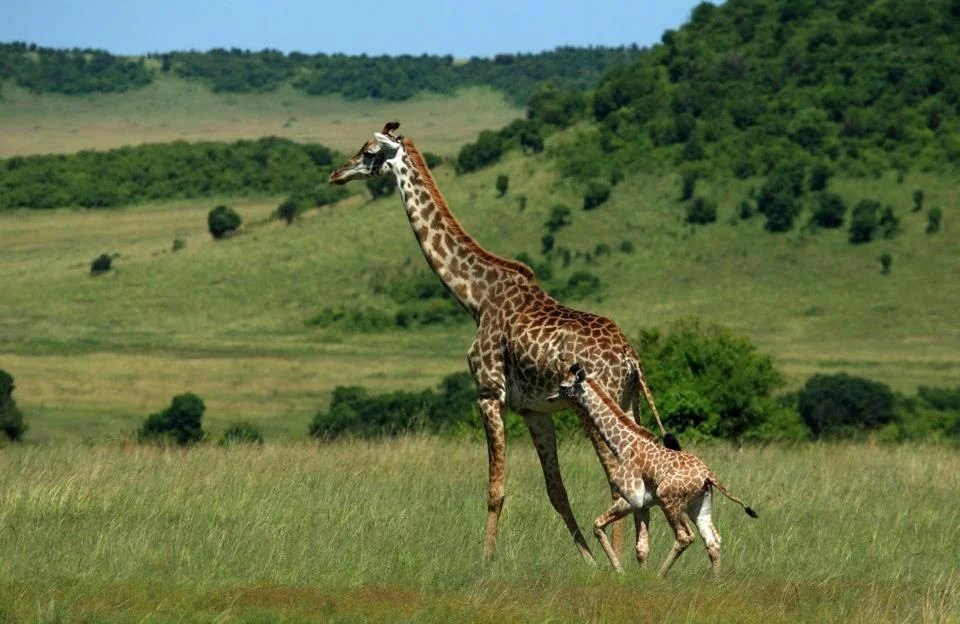
Mikumi is one of the Top Tanzania Safari Destinations for travelers who have limited time but want a high-quality wildlife experience. The open horizons make spotting animals incredibly easy. You’ll find large herds of buffaloes, zebras, and wildebeests roaming the plains, often shadowed by prides of lions. Mikumi is also famous for its Masai Giraffes, which are frequently seen wandering through the acacia thickets. For bird watchers, the Mkata Floodplain is a paradise, especially after the rains when the area teems with migratory species and vibrant local residents like the lilac-breasted roller. Surrounded by the beautiful Uluguru and Malundwe mountains, Mikumi offers a stunning backdrop for photography and a perfect introduction to the wilder side of Tanzania.
While the North has the plains and the South has the rivers, the West has the mountains and the forests. This is the most remote and expensive part of Tanzania to visit, but for many, it is the pinnacle of the African experience. This is where the savannah ends and the deep, humid jungles of Central Africa begin.
The West is the most expensive and difficult part of Tanzania to visit, but it offers the most intimate wildlife encounters on the continent.
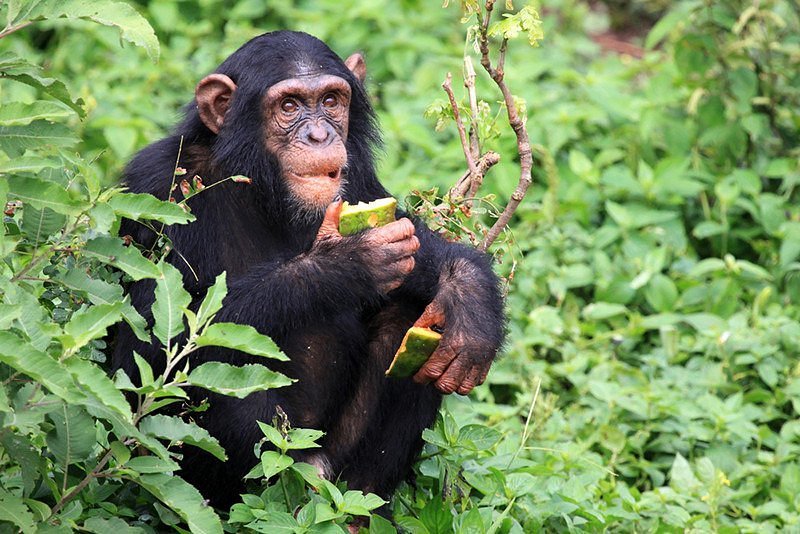
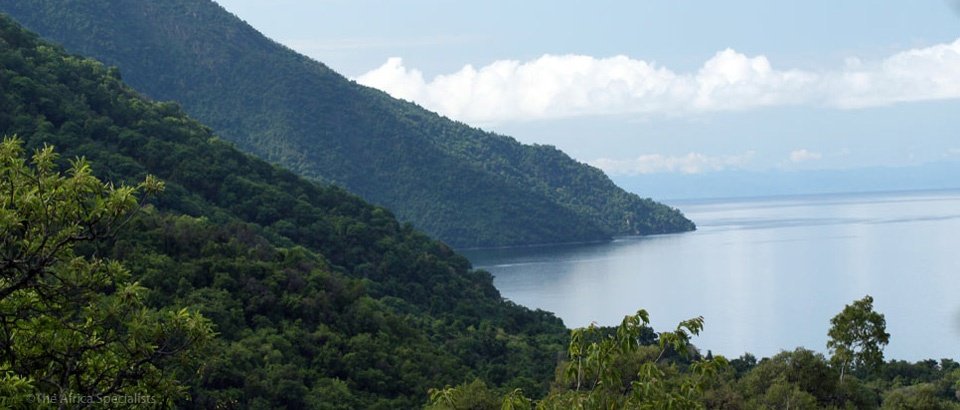
Mahale is spectacular. It is where the forested mountains drop straight into the turquoise waters of Lake Tanganyika. There are no roads. You arrive by boat. You spend your mornings trekking through the jungle to find the M-Group chimpanzees. When you find them, you sit on the forest floor, and for one hour, you are part of their world. In the afternoons, you can kayak on the lake or fish for your dinner. It is a "bush and beach" experience that is entirely unique.
Katavi is for the hardcore adventurer. During the dry season, the water sources shrink to tiny pools. Hundreds of hippos and crocodiles are forced into the same small spaces, leading to epic battles for territory. It is raw, smelly, and incredibly intense the definition of nature's "survival of the fittest."
One of the most frequent questions travelers ask is, "When is the best time for a safari?" The truth is, Tanzania is a spectacular year-round destination, but the experience changes profoundly depending on the month you choose. The movement of the wildlife, the clarity of the air, and the cost of the trip are all dictated by the rhythmic cycles of the African weather. To see the Top Tanzania Safari Destinations at their absolute best, you must align your expectations with the seasonal realities of the bush.
Unlike temperate climates with four distinct seasons, Tanzania operates on a cycle of "Dry" and "Wet." Understanding these nuances will help you decide whether you want to witness the high-drama river crossings of the north or the quiet, lush serenity of the "Green Season." Here is a deep dive into the Tanzanian seasonal calendar.
This is widely considered the premier window for visiting the Top Tanzania Safari Destinations. As the rains vanish in late May, the landscape undergoes a dramatic transformation. The lush, tall grasses of the emerald season begin to wither and turn to gold. For a safari-goer, this is a massive advantage. When the vegetation is sparse, predators like leopards and lions have fewer places to hide, making wildlife spotting significantly easier.
Furthermore, as seasonal water holes vanish, animals are forced to congregate around permanent water sources. In the Serengeti, Tarangire, and the Ngorongoro Crater, you can simply park your vehicle near a river or a spring and watch as a literal parade of wildlife comes to you. This is also the period of the Great Migration River Crossings. From July to September, the herds brave the crocodile-infested Mara River in the Northern Serengeti. It is a time of high dust, high drama, and high rewards, making it the busiest but most iconic time to visit.
Known as the "Short Rains," this period brings brief, refreshing afternoon showers that rarely disrupt travel plans. For many seasoned travelers, this is one of the best times to visit the Top Tanzania Safari Destinations. The rain washes the dust from the air, creating a crystal-clear atmosphere that makes the colors of the savannah pop in photographs. The landscape transitions from parched brown to a vibrant, electric green almost overnight.
This is also the time when migratory birds from Europe and North Africa arrive, turning the parks into a paradise for birdwatchers. The wildebeest herds begin their journey back south through the Serengeti, and because this is considered a "shoulder season," you will find fewer vehicles at sightings and more competitive pricing at the luxury lodges. It is a time of renewal and beautiful, soft light.
If you want to witness the raw "Circle of Life," this is the time to head to the southern Serengeti and the Ndutu plains. During this short dry spell between the rains, the Great Migration Calving Season takes place. Within a three-week window, roughly half a million wildebeest calves are born. The plains are carpeted in new life, which, in turn, draws every predator in the region.
Lions, cheetahs, and hyenas take full advantage of the abundance of vulnerable prey. For a traveler, this means intense predator-prey interactions and "big cat action" that is unparalleled. The weather is generally hot and dry, and the scenery is still lush from the November rains. It is a unique and emotional time that places the Serengeti at the very top of the Top Tanzania Safari Destinations during the early months of the year.
Often referred to as the "Green Season," the long rains are the most misunderstood time of year. While it does rain-sometimes in heavy, spectacular tropical downpours-it rarely rains all day. For the savvy traveler, this is the time of the "Quiet Safari." The Top Tanzania Safari Destinations, which are bustling with jeeps in August, become your private playground. You can drive through the Ngorongoro Crater floor and be the only vehicle at a lion sighting.
The advantages are numerous: the dust is non-existent, the wildflowers are in bloom, and the prices are at their lowest. Many high-end luxury camps offer "Green Season" rates that are 40% to 50% cheaper than peak season. If you are a photographer who loves dramatic clouds and lush, moody landscapes, or if you simply value exclusivity and silence, April and May offer a version of Tanzania that most people never get to see.
It is important to remember that the Top Tanzania Safari Destinations in the South (Ruaha and Nyerere) and West (Mahale and Katavi) have a slightly different rhythm. These areas can become very hot and humid during the rains, and some camps close entirely from March to May because the black cotton soil makes the roads impassable. For the Southern and Western circuits, the dry season (June to October) is even more essential for a successful trip, as the wildlife concentrates heavily around the few remaining water sources in those rugged, vast landscapes.
A safari is not a standard vacation; it is an expedition. Planning a trip to the Top Tanzania Safari Destinations requires a level of logistical foresight that a beach holiday simply doesn't demand. From understanding the complex fee structures of national parks to knowing why you should not pack a blue shirt, the success of your African adventure lies in the details. Here is a comprehensive breakdown of the practicalities you need to master before you step off the plane.
One of the first things travelers realize is that Tanzania is not a "budget" destination in the traditional sense. Even a "cheap" safari can feel expensive. To plan effectively for the Top Tanzania Safari Destinations, you need to understand the cost components. A mid-range safari typically fluctuates between $400 and $600 per person, per day. If you are looking at ultra-luxury, fly-in circuits, that number can easily climb to $1,500 or $2,500 per night.
The Breakdown:
Tipping Etiquette: Don't forget to budget for tips. In Tanzania, tipping is a vital part of the local economy. A general rule of thumb is $20-$30 per day for your safari guide and $10-$15 per day for the general lodge staff (usually placed in a communal tip box).
When traveling between the Top Tanzania Safari Destinations, especially if using internal "bush planes," you will face strict weight limits usually 15kg (33lbs) in soft-sided bags. This means you must pack strategically.
The Color Rule: This is not about fashion; it is about biology. Stick to neutral earth tones-khaki, tan, olive, and brown. Avoid bright white (it gets dusty instantly) and, most importantly, avoid dark blue and black. These colors attract tsetse flies, whose bite is painful and can carry sleeping sickness. Camouflage patterns are also a no-go, as they are often reserved for the military in many African countries.
The Layering System: Africa is a land of thermal extremes. If you are on the Ngorongoro Crater rim at 5:30 AM, it can be close to freezing. By noon in the Serengeti, it will be 30°C (86°F). You need a system of "zip-off" trousers, light t-shirts, and a high-quality fleece or down jacket.
Essential Gear:
Your health is the most important part of your journey to the Top Tanzania Safari Destinations. Malaria: Most of Tanzania is a malaria zone. You must consult a travel clinic for the correct prophylactics (like Malarone or Doxycycline). Vaccinations: Ensure your routine shots are up to date. A Yellow Fever certificate is mandatory if you are entering Tanzania from an endemic country (like Kenya or Ethiopia). Insurance: Do not travel without comprehensive insurance that includes "Emergency Medical Evacuation." In remote areas like Katavi or Ruaha, being flown to a hospital in Nairobi or Johannesburg can cost $50,000 out of pocket without insurance.
Tanzania is not just a place you visit; it is a place you feel in your bones. It is a land that strips away the complexities of the 21st century and replaces them with something primordial. When you stand on the edge of the Ngorongoro Crater, looking down into a world that has remained unchanged for millennia, or when you sit in silence as a family of chimpanzees moves through the Mahale forest, you realize that you aren't just an observer-you are a participant in the oldest story on Earth.
The Top Tanzania Safari Destinations we have explored in this guide-from the thundering herds of the Serengeti to the secret, water-logged channels of the Nyerere-offer more than just wildlife sightings. They offer perspective. They remind us of the fragility and the resilience of life. They remind us that there is still a part of the world that belongs to the lions, the elephants, and the ancient baobabs.
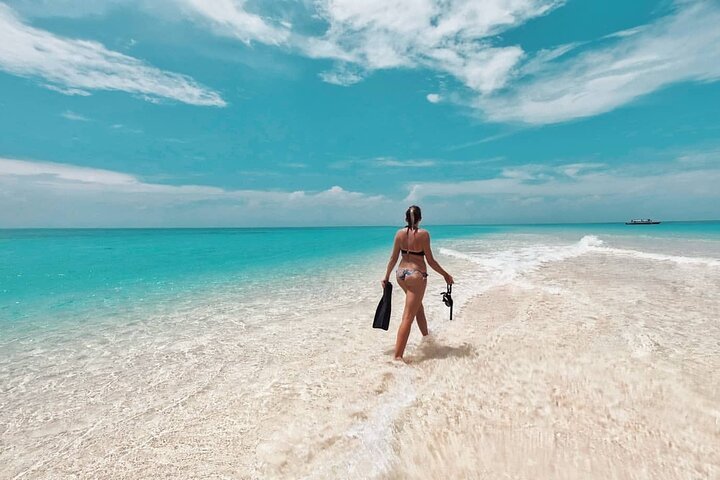
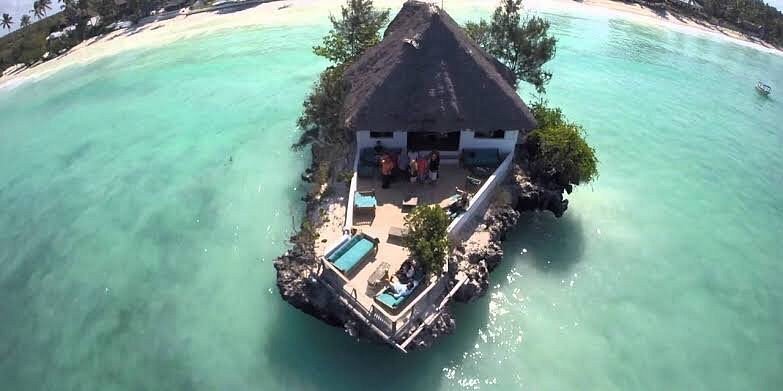
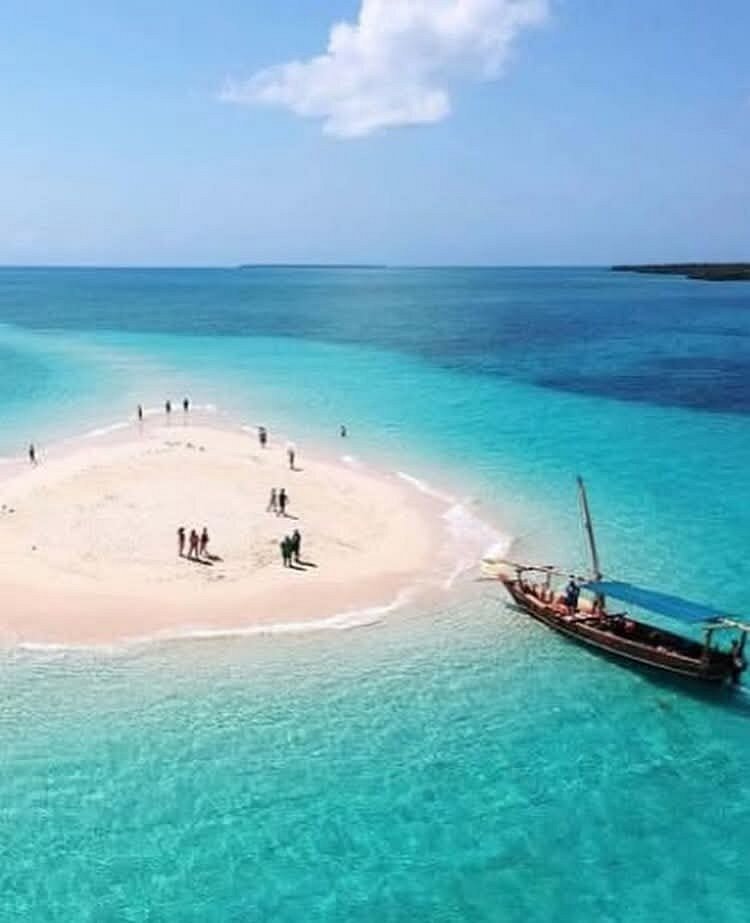
You will leave Tanzania with more than just thousands of photos. You will leave with the red dust of the Rift Valley in your boots and the rhythmic sound of the savannah in your dreams. The wild is calling, and it is louder here than anywhere else on the planet. Whether it is the Great Migration, the Big Five, or the white sands of Zanzibar that draw you in, Tanzania is ready to reveal its secrets to you. The only question remains: are you ready to answer the call?
Ready to plan your bespoke adventure? Contact our safari experts today. Let us take the stress out of the logistics so you can focus on the magic. Let's turn your dream of the African wild into a reality.

Over 30,000 happy travelers have explored Africa with unforgettable experiences. Book your dream Tanzania safari today and create memories that last a lifetime with Tanzania Safari Packages a local tour operator.


Carry photocopies and digital scans of your passport, visas, travel insurance and emergency contacts; leave copies with someone at home.
Check Yellow Fever requirements, consult a travel clinic about malaria prophylaxis, and bring a basic first-aid kit and any personal medications.
Bring some US Dollars plus Tanzanian Shillings (TSH). ATMs are available in Moshi and Arusha but remote parks are cash-only; notify banks about travel dates.
Tanzania Safaris, Mount Kilimanjaro Climbing, and Zanzibar Beach Holidaysunforgettable adventures across Africa’s top destinations.
Moshi Kilimanjaro and Arusha, Tanzania

©Copyright Godwi Alfred Ngaiza - (Local Guide). All Rights Reserved